A Roast With a Second Act: Buying a Christmas Joint for Boxing Day and Beyond
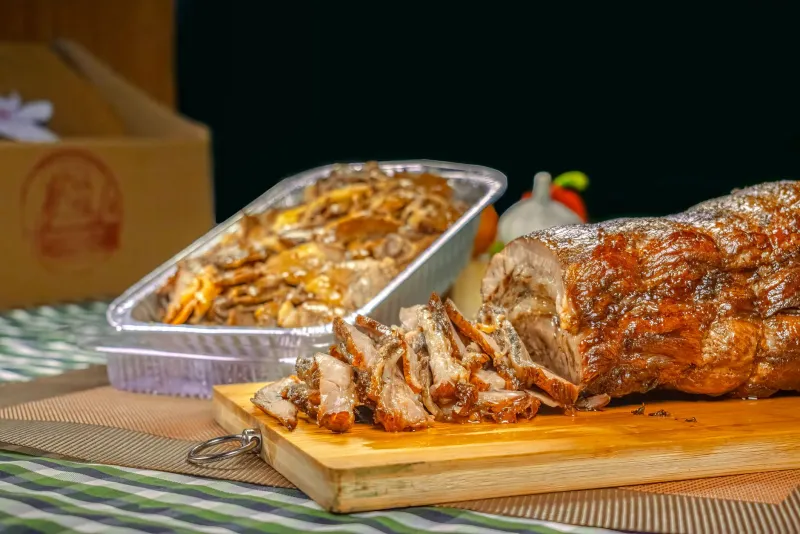
Most Christmas meat planning goes into the main event: the joint, the timing, the oven space and the gravy. But the meal that often gets remembered with more affection is the one that follows — thick slices at the kitchen table, a spoonful of pickle, a pot of mustard, nobody dressed for dinner. Buying a roast with that second meal in mind is not about panic-buying a bigger piece of meat. It is about choosing a cut that slices well cold, sizing it sensibly and treating the leftovers with a bit of care. At John Stewart Butchers, it is one of the most useful conversations you can have at the counter.
Start with the cold table, not the hot one
Before you decide between rib, leg or loin, think about what you actually want on 26 December. Neat slices for sandwiches and a cold plate? Shredded meat for a pie, curry or hash? A joint that can be carved thick without falling apart? These are different jobs, and they point to different cuts.
If Boxing Day means cold cuts with chutney and bread, look for a joint with a tight grain and a bit of fat through it. If it means bubble and squeak, a pie or a traybake, a more open-textured cut is fine because you are not chasing neat slices. Being honest about the second meal is the fastest way to avoid buying the wrong shape of roast.
Which cuts earn their place in the fridge
Beef rib and sirloin are the classic cold-table cuts for good reason. They carve cleanly once chilled, and the fat that seems generous on Christmas Day keeps the slices moist the next day. A boned and rolled sirloin is easier to slice than a rib, while a rib on the bone gives more flavour and a little more drama at the table.
Leg of lamb is another strong candidate. Carved across the grain and chilled, it makes excellent cold meat for a Boxing Day plate or a warm sandwich. Pork loin is lean, mild and very accommodating, though it needs a little more help from chutney or mustard once cold. Shoulder is wonderful for the hot meal but tends to shred rather than slice, so it suits a second act built around pies, noodles or a slow reheated supper.
The sizing maths that actually helps
Rather than guessing in kilograms, give the butcher portions. Say something like: 'I need enough for six hot plates on Christmas Day and four cold plates on Boxing Day.' That is a much more useful starting point than a vague instruction to buy something generous.
As a rough guide, allow more raw weight per person for a bone-in joint than a boneless one. A bone-in rib or leg may carry a fair proportion of bone and trim, so a 3kg piece is not 3kg of meat. If cold cuts matter, it is usually worth going up a little rather than hoping the main meal leaves more than it does. A butcher can work from your numbers and tell you whether a slightly larger joint is sensible or simply too much for your fridge.
Bone-in or boneless?
Bone-in roasts have a little more flavour and tend to stay juicy, and the bone helps insulate the meat as it rests. But they are heavier, take up more fridge space and can be trickier to carve into tidy cold slices.
Boneless joints are the practical choice if you want neat sandwiches and easy storage. Ask for the joint to be tied neatly so it holds its shape through roasting and chilling. For lamb, a boned and tied leg can be very useful on the cold table. For beef, a boned and rolled sirloin is hard to beat if slicing is the priority. Do not assume bone-in is always better value; ask how much of the weight is bone and decide from there.
Rest, chill and slice with the next day in mind
Rest the joint properly before carving — at least 20 minutes for a large roast, loosely covered and kept warm. Carve only what you need for the hot meal. The remainder will stay juicier if you keep it intact rather than slicing it all in advance.
Cool the joint quickly, then refrigerate it within two hours of cooking. Once cold, slice across the grain and store the slices in a shallow container with any resting juices. Keep cooked meat in the fridge and use it within two to three days, or freeze it if you want to stretch it further. Reheat only what you plan to eat, and make sure it is steaming hot throughout. If you are in any doubt about how long something has been out, follow current NHS and Food Standards Agency guidance rather than relying on memory.
Questions worth asking at the counter
A good butcher will not be offended by a bit of forward planning. Ask: 'Could you size this for six hot and four cold?' 'How much of that weight is bone?' 'Will this carve neatly once chilled?' and 'Which end should I slice first?' If you are buying a boneless joint, ask for it to be tied. If you are buying bone-in, ask whether it can be chined or shortened to fit your tin and your fridge.
A Christmas roast with a second act is not about buying more for the sake of it. It is about choosing a joint that earns its keep: one that looks generous on the day and still gives you something worth carving on the 26th. That is thrift, flavour and a little bit of foresight — the sort of planning a butcher's counter is very good at.