Brine, Patience and a Sharp Knife: Salt Beef Done at Home
Salt beef is not just a deli-counter treat. Choose the right cut, keep the brine simple and cook it gently, and you get a weekend project that pays off in proper sandwiches all week.

Quality meat, honest provenance, local craft.
Salt beef is not just a deli-counter treat. Choose the right cut, keep the brine simple and cook it gently, and you get a weekend project that pays off in proper sandwiches all week.
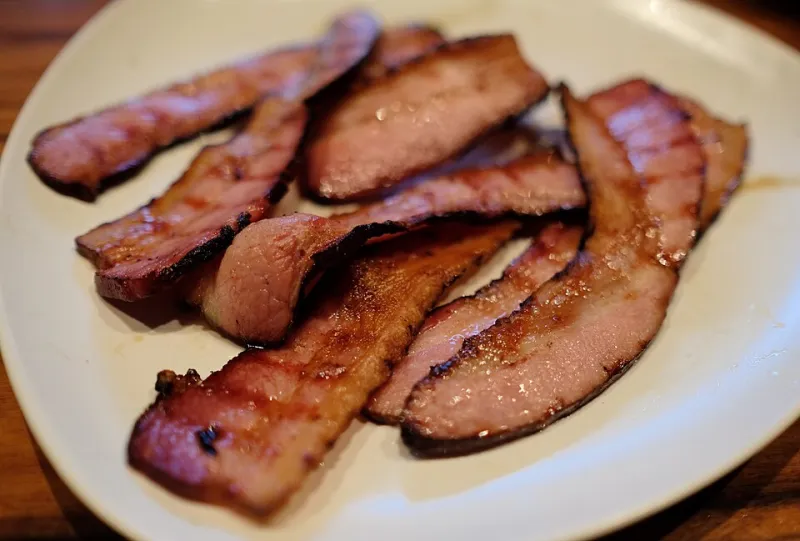
Christmas morning breakfast is the meal that quietly gets forgotten between the Christmas Eve shop and the main event. Here is the counter order that makes it worth getting up for — dry-cured bacon, well-seasoned sausages, black pudding, and a kidney or two if you are that way inclined.
A Sunday roast for two doesn't have to mean a week of leftovers. From chicken crowns to half shoulders and two-bone rib joints, here's how to order meat that suits a smaller household — and make the little that remains work for you.
Brisket is the quiet hero of the post-Christmas table: generous, deeply savoury and far kinder to the January budget than another showpiece rib. Here is how to choose one at the counter, salt it properly and cook it low and slow without fuss.
Liver, kidneys, heart and sweetbreads can feel like a test rather than a dinner. Here’s a low-risk way in: what to ask for, how to judge freshness, and which cut to try first.
A farm name on a label is only the start. Here’s the practical, sometimes awkward work that happens before a new local supplier’s beef, lamb or pork reaches our display — and the questions you can borrow when you’re buying.
A Christmas joint can do more than feed the main event. Here is how to size, choose and store a roast so the cold table on Boxing Day feels like a pleasure rather than an afterthought.
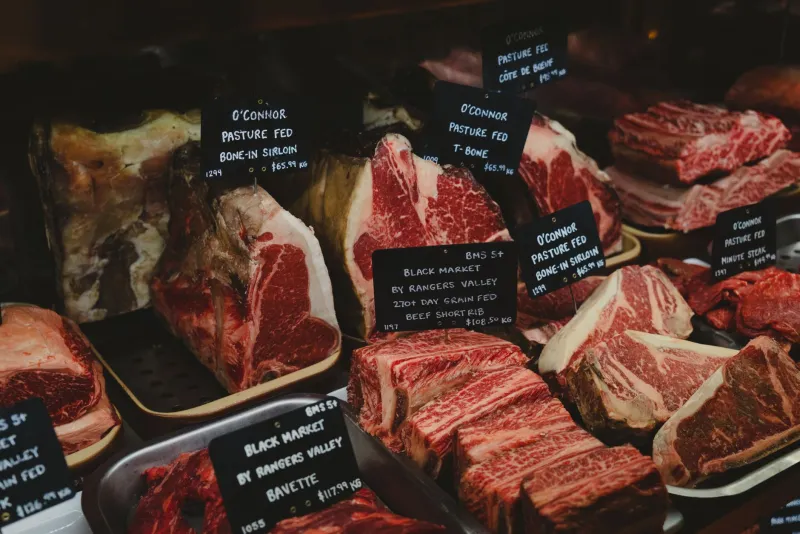
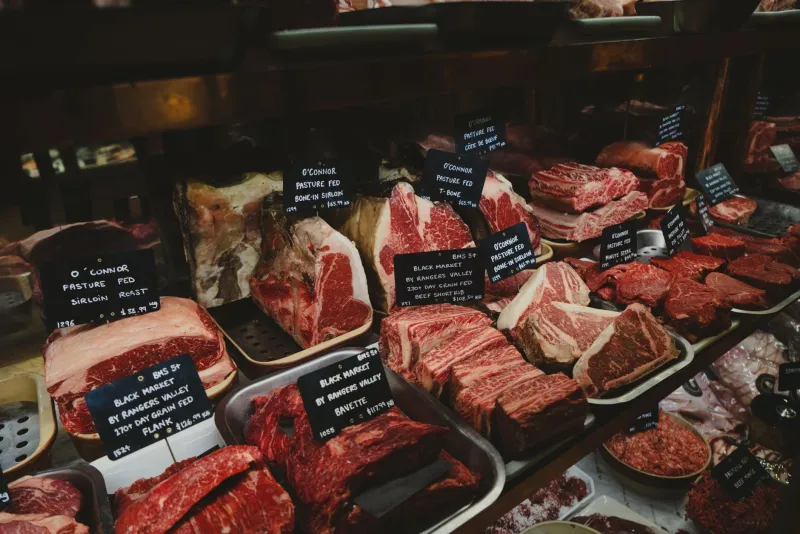
Beef packaging is crowded with claims about grass, pasture and breed. This guide explains what those terms can and cannot tell you, and why a short conversation at the butcher's counter is often the clearest label of all.
Mutton is not just a stronger version of lamb. It is a different proposition altogether: slower grown, deeper in flavour and brilliant in the winter kitchen. Here is how to buy it, which cuts to ask for and a simple first roast that makes the case for itself.
Dry-curing bacon at home is less about secret ingredients and more about a good piece of pork, honest scales and patience. Here is the butcher-counter version: what to ask for, how to cure it safely in a normal fridge, and how to avoid the salty, rushed batches that put most beginners off.
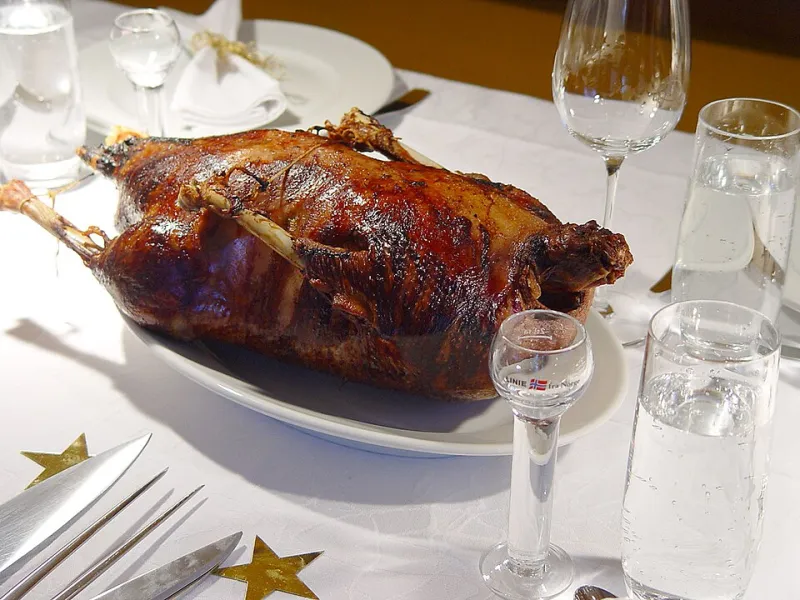
Turkey is traditional, but it is not the only bird that can carry Christmas dinner. Here is a butcher-counter guide to goose, capon and three-bird roasts, from realistic sizing to cooking notes and the questions worth asking before you order for 25 December.
The centrepiece gets the applause, but the gravy is where a butcher’s scraps quietly earn their keep. Here’s how to ask for bones and trimmings, roast them properly, and stash a rich Christmas gravy base in the freezer long before the big day.
A Christmas ham is less about a showstopper glaze and more about the joint you bring home. Here’s how to choose gammon at the counter, soak it sensibly and glaze it without panic — plus a few useful ideas for the leftovers.
Fresh beef suet is one of those quiet counter staples that rarely makes it onto a shopping list, yet it is the difference between a pudding that sits heavy and one with proper lift and flavour. Here is how to ask for it, store it without fuss, and use it in dumplings, steak and kidney pudding and jam roly-poly.
A good butcher's counter is not a vending machine. It is a conversation — and knowing what to ask about breed, hanging, thickness and trim is the difference between a cut that works and one that nearly works.
Mince is not a single ingredient, whatever the supermarket chiller cabinet suggests. Fat ratio, grind size and provenance change how it browns, holds and tastes — and a quick word at the counter can make the difference between a thrifty meal and a false economy.
A quarter lamb can look like a bargain, but the real value depends on freezer space, the cut list and how honestly you will use every joint. This is the practical maths before you commit.
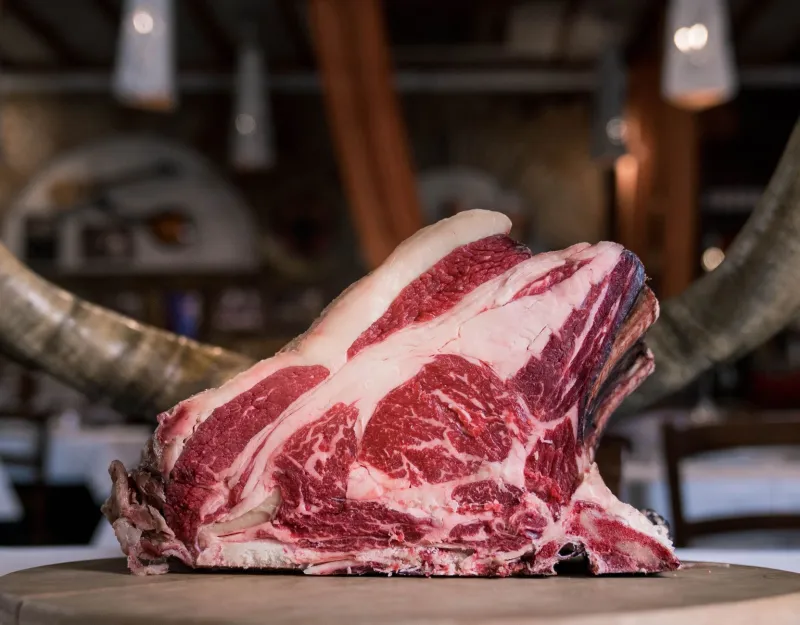
Dry-aged beef is not one product with one flavour. The difference between 28, 35 and 60 days is a difference of style, cost and kitchen confidence. Here is how to read the label, choose the right cut and cook it without paying for restaurant theatre.
Pheasant, partridge and venison are at their best right now, but game still intimidates plenty of home cooks. This is the no-nonsense counter conversation: what to buy, how to judge freshness, and the simple roasts, braises and pies that make the most of British game.
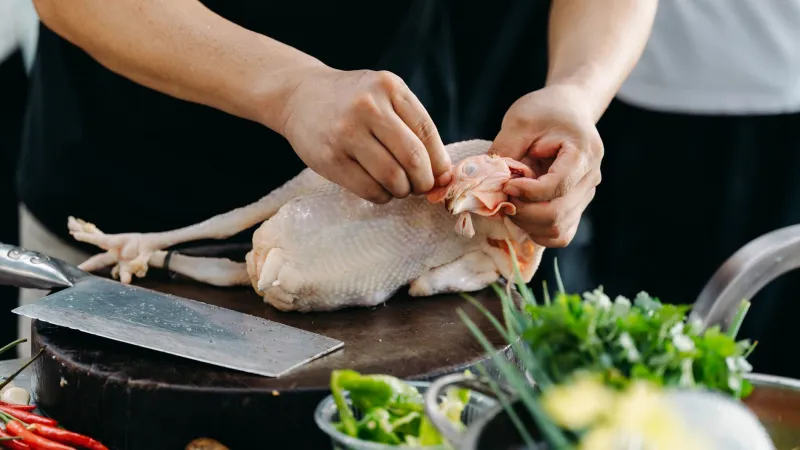
A whole chicken is not just a Sunday roast waiting to happen. It is a week of meals, a pot of stock and a jar of schmaltz, if you know how to break it down. Here is the practical butcher's route from spatchcock to carcass, with plenty of flavour along the way.