A Roast for the Table You Have: Smaller Joints, Better Sundays
There's a particular kind of optimism in buying a three-kilogram joint for two people. It says: roast on Sunday, sandwiches on Monday, hash on Tuesday, soup on Wednesday, and perhaps a curry by Thursday. By Friday, the fridge is full of tubs and the dog has started avoiding eye contact. For smaller households, the Sunday roast can quietly turn into a leftovers marathon. It doesn't have to. The trick is to buy for the table you actually have, not the one you imagine.
Start With Appetite, Not Tradition
A traditional roast is less a fixed weight than a way of cooking. For two people, you're usually looking at somewhere between 400g and 700g of raw meat, depending on the cut, the appetite and how much you want cold on Monday. A butcher can help you judge that better than any chart. The important thing is to ask for a joint that fits your oven, your wallet and your week.
The Counter Conversation: Size, Trim and Bones
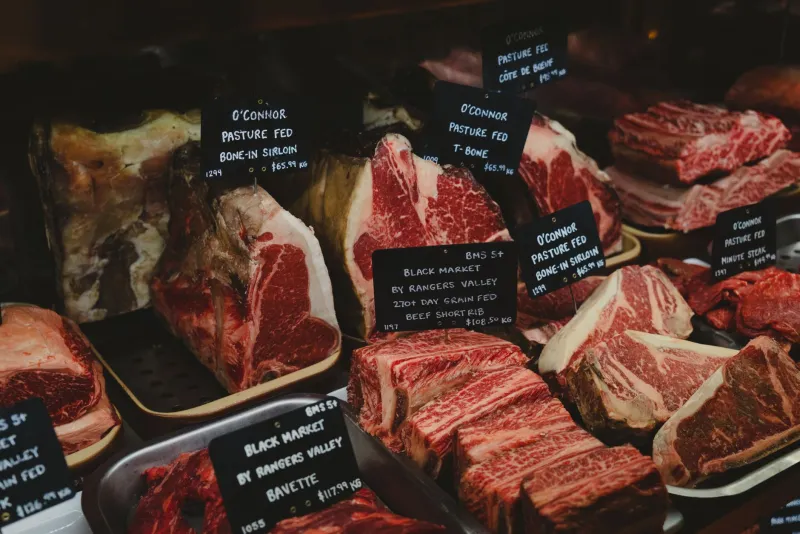
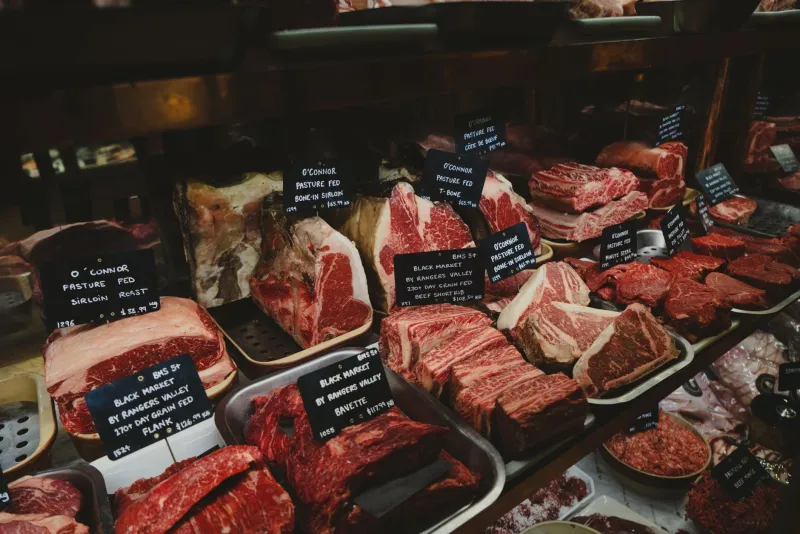
Not every small joint is on display. Butchers often cut larger pieces down, so it's worth saying what you need. Try: 'What's the smallest joint you'd be happy roasting for two?' or 'Could you cut a two-bone rib rather than a four-bone one?' Ask for a thin layer of fat to be left on for basting, and for the joint to be tied at intervals so it holds its shape. If you're having beef or lamb, ask for the trimmed bones. They make a better gravy than a cube, and they cost very little.
Chicken Crowns, Half Shoulders and Two-Bone Ribs
A chicken crown is a sensible place to start. It's the bird without the legs, which sounds like a compromise until you realise you can ask for the legs to be taken off and kept. Roast the crown for Sunday, then use the legs midweek. A half shoulder of lamb is another good fit: enough for two with leftovers, quicker than a whole shoulder, and the bone gives you a rich gravy. For beef, a two-bone rib joint is the classic answer. It carves beautifully, feels like a treat, and doesn't demand a fortnight of sandwiches. Pork loin or a small belly joint work well too, especially with crackling.
Small Joints Need a Little More Care
A smaller roast has more surface area relative to its middle, so it can dry out faster. Ask your butcher to trim it evenly, and don't be shy about tying. Roast it at a slightly gentler heat than you might for a bigger joint, and rest it for at least fifteen minutes. If you're cooking beef, a meat thermometer takes the guesswork out. If you're cooking lamb, slow and low until it's tender and pulling away from the bone is a reliable route.
The Leftovers You Actually Want
The point isn't to eliminate leftovers entirely. A little cold roast is one of the pleasures of the weekend. The point is to keep them in proportion. Slices with gravy can go in the freezer for a quick midweek supper. Bones and trim become stock. A chicken carcass, even from a crown, makes a decent broth. And if you do end up with more than you need, bubble and squeak, a proper hash or a simple soup will deal with it without turning Sunday lunch into a catering operation.
Sides and Gravy for a Smaller Roast
Smaller joints give less dripping, so plan for gravy. Ask for bones when you buy the meat, roast them alongside the joint, and use them with a little flour, stock and a splash of something sharp. Yorkshire puddings, roast potatoes and greens are not size-dependent. You can make a small tin of puddings or a tray of potatoes without scaling everything down to a thimble.
Buying a smaller roast is not a retreat from the Sunday ritual. It's a way of keeping it. You still get the carving, the gravy, the quiet hour at the table. You just don't get a week of tubs as a side dish.