Three Ways Past Turkey: Ordering Goose, Capon and Three-Bird Roasts With Confidence
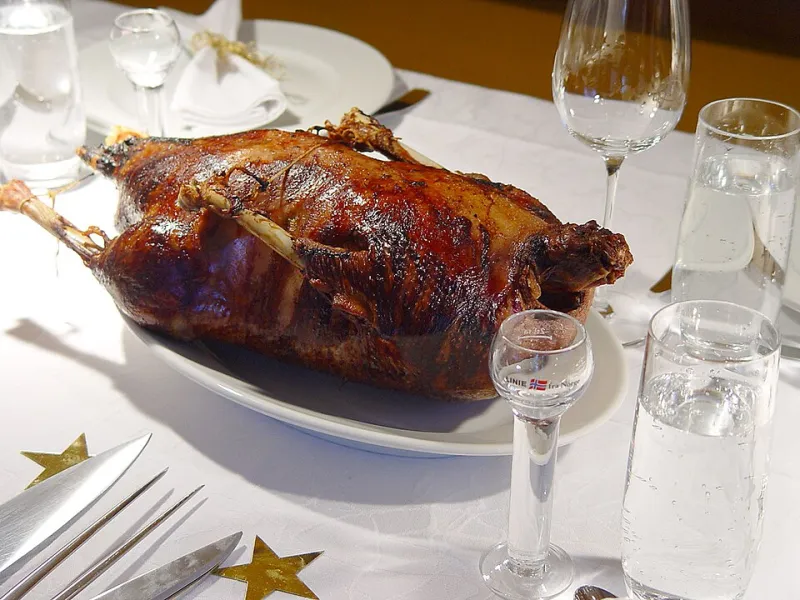
Photo: Jürgen Howaldt, CC BY-SA 2.0 de, via Wikimedia Commons
Turkey may hold the centre of the table, but it is not the only bird with a place at Christmas. Goose brings richness and theatre, capon offers a gentler sort of feast, and a three-bird roast turns carving into an event. Each has its own logic, its own cooking quirks and its own ideal weight. The trick is knowing what you are ordering before the counter gets busy.
Why look past turkey?
A traditional turkey is familiar, forgiving and feeds a crowd. But familiarity can be a bit dull, and some households simply prefer darker meat, a richer flavour or a smaller centrepiece. Others want the ceremony of carving something a little different. None of these birds is automatically better than turkey; they are just different tools for the same job.
At John Stewart Butchers, we would rather you leave with the right bird for your table than the most fashionable one. That starts with an honest conversation about numbers, oven space and how much leftovers you actually want.
Goose: rich, fatty and less forgiving
Goose is the classic alternative for a reason. The meat is dark, deeply savoury and closer to roast beef in character than to chicken. It also carries a serious layer of fat, which is both a blessing and a cooking consideration. That fat bastes the meat, but it also needs somewhere to go.
A goose looks bigger than it eats because of its frame and fat cover. As a rough guide, a 4–4.5kg bird will serve around 6 people; a 5–5.5kg goose is better for 8. If you want generous leftovers, size up rather than assuming the bird will stretch.
Cooking notes: prick the skin all over, especially around the thighs, and roast on a rack in a deep tin. Start the bird in a hot oven to get the skin going, then turn the heat down and let it cook gently. Pour off the fat carefully as you go — it is excellent for roast potatoes — and rest the goose properly. Goose rewards a little attention and punishes neglect, so keep an eye on it.
Capon: the gentle giant
A capon is a specially reared cockerel, bred for size and tenderness. It tends to have a broad breast, plenty of meat and a mild, sweet flavour. If your family finds goose too rich or turkey too dry, capon can be a happy middle ground.
Sizing is more straightforward than with goose. A 3.5–4kg capon will serve around 6–8; a 5kg bird can comfortably feed 10. Because the breast is generous, it slices neatly and makes excellent sandwiches the next day.
Cooking notes: capon benefits from a gentle roast rather than a blast of heat. Butter under the skin, a few rashers over the breast and a trivet of vegetables will keep it moist. Treat it a little like a large chicken, but give it more resting time. It is a good choice for anyone who wants a traditional roast with a slightly more special feel.
Three-bird roast: theatre and timing
A three-bird roast is exactly what it sounds like: one bird inside another, often turkey around duck around chicken, or a similar combination. Some butchers prepare them with stuffing between the layers. The result is a dramatic centrepiece that slices into neat rounds of light and dark meat.
They are heavier than they look and denser than a single bird. A 5–6kg three-bird roast will serve around 8–10; a 7kg version can feed 12 or more. Ask your butcher for a realistic serving estimate based on the actual joint, not just the headline weight.
Cooking notes: slow and steady is the rule. The layers need time to cook through without the outside drying out. Follow your butcher's timing carefully, use a meat thermometer and rest the roast for at least 20–30 minutes before carving. A three-bird roast is not the thing to attempt for the first time on Christmas morning without reading the instructions first.
A quick sizing guide
| Bird | Typical weight | Rough servings | Best for |
|---|---|---|---|
| Goose | 4–5.5kg | 6–8 | Rich flavour, dark meat, generous fat |
| Capon | 3.5–5kg | 6–10 | Mild flavour, tender breast, easy carving |
| Three-bird roast | 5–7kg | 8–12 | Theatre, mixed meat, special occasion |
These are guides, not rules. Appetites vary, and so do birds. A hungry crowd and a love of leftovers can justify going up a size.
Questions worth asking at the counter
Before you order, ask how the bird has been reared, where it comes from and whether it will be fresh or frozen. Ask about the fat cover on a goose, the approximate breast size on a capon and the exact composition of a three-bird roast. If you are buying a prepared roast, ask whether it is stuffed, how it is tied and whether the timing instructions are based on raw or cooked weight.
It is also worth asking about giblets, trussing and collection dates. And if you are unsure about oven space, say so. A good butcher will help you match the bird to your roasting tin rather than let you discover the problem on Christmas Eve.
Order early, but not in a panic
For Christmas 2026, aim to place your order by late November or the first week of December. Goose and capon can be limited, and three-bird roasts take time to prepare. A quick conversation now is far better than a frantic phone call later. Tell us how many people you are feeding, what sort of meat you enjoy and how much leftovers you can realistically store. We will point you towards the bird that fits, not just the one that sounds impressive.