Fat, Coarseness and a Word With the Butcher: How to Buy Mince That Works Harder
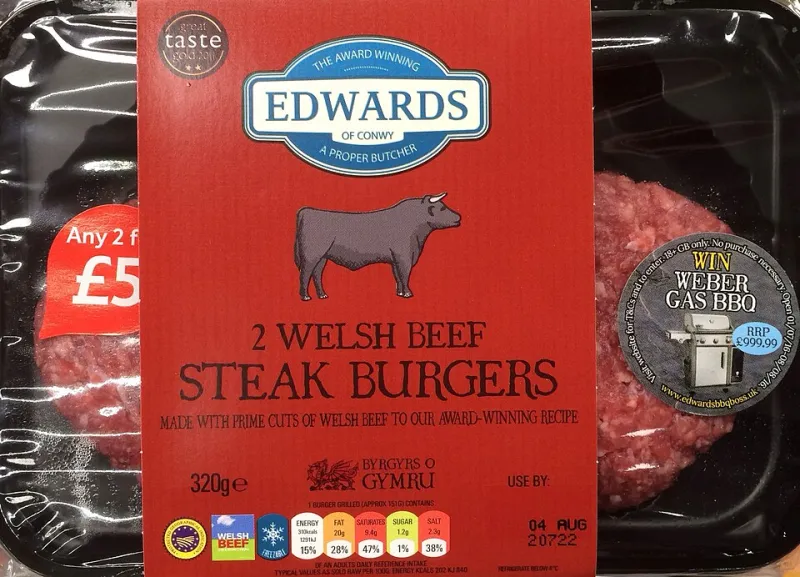
Photo: Vouliagmeni, CC BY-SA 4.0, via Wikimedia Commons
Mince gets treated like the plain flour of the meat world: cheap, useful, interchangeable. It is none of those things. Ask for beef mince and you could be handed anything from a lean, pale crumble to a coarse, well-marbled grind that browns like a dream. Both are legal. Both are mince. Only one will make the ragu you had in mind.
At John Stewart Butchers we spend a lot of time talking about fat, grind and farm names, because those are the things that decide whether mince is good value or just cheap. Here is how to get what you actually want.
Start With the Fat Ratio
Fat is not the enemy. It carries flavour, keeps burgers juicy and helps mince brown rather than steam. Too little and you end up with a dry, crumbly result that needs more oil, more sauce and more effort to rescue. Too much and you are paying for something that will shrink in the pan and leave a pool of grease.
For everyday beef mince, 10 to 15 per cent fat is a sensible middle ground: enough for flavour and texture without turning the pan into a swamp. For burgers, go higher — 20 per cent is not extravagant, it is insurance. For a slow-cooked ragu, 15 per cent gives you the fat you need to cook out the meat properly. If you are making a lean dish such as a chilli or a cottage pie filling and you want to keep things lighter, 5 to 10 per cent works, but be prepared to add a little oil and not to expect the same richness.
Lamb mince usually carries more fat naturally, which is why it suits moussaka, koftas and shepherd's pie so well. Pork mince is often around 15 to 20 per cent fat and is best treated as a seasoning ingredient as much as a main one — it brings moisture and savouriness to meatballs, stuffing and mixed mince. Ask the counter for the number. It is not a trade secret.
Coarse or Fine? The Grind Matters
Most supermarket mince is finely ground, partly because it looks neat and partly because it is easier to pack. Fine mince is not wrong — it is ideal for sausage-style mixtures, meatballs and anything where you want a smooth, even texture. But coarse mince is where the flavour lives. The larger pieces give you something to bite on, brown more evenly and hold their juices better in a long cook.
If you are making a bolognese or a ragu, ask for a coarse grind. If you are making burgers, a coarse grind is also your friend, provided the fat ratio is right. For pies and pasties, a medium grind gives you a filling that holds together without turning to paste. If the butcher has a mincer on site, they can often grind to order. That is one of the quiet advantages of a proper counter.
Beef, Lamb, Pork, Mixed: Matching Mince to the Meal
Beef mince is the all-rounder: ragu, burgers, chilli, cottage pie, meatballs. It has enough flavour to stand up to tomatoes, spices and long cooking. Lamb mince is richer and sweeter; it suits Greek and Middle Eastern dishes, shepherd's pie, and anything with aubergine or yoghurt. Pork mince is softer and milder; it works in meatballs, dumplings, stuffing, and as a partner to beef in mixed mince.
Mixed mince — usually beef and pork — is not a compromise. It is a classic combination for meatballs, meatloaf and sausage-style fillings because the pork adds moisture and the beef adds depth. If you are making a batch of meatballs for the freezer, ask for a 50/50 mix with a coarse grind and around 15 to 20 per cent fat. You will notice the difference.
Provenance You Can Taste
Mince is often made from trim, which is fine — but trim from what? A good butcher can tell you the breed, the farm and roughly when the animal was hung. That matters because mince made from well-hung beef tastes beefier than mince made from fresh, lean trim. It also matters because you are buying a product that has been handled properly, not just swept off the block.
At our counter we would rather sell you 500g of mince we can explain than a kilo of something anonymous. Ask where it comes from. Ask how it was hung. Ask if it is grass-fed or grain-fed, not because one is always better, but because it changes the flavour and the fat. A butcher who cannot answer is either new, busy, or not paying attention. A butcher who can answer is giving you something worth paying for.
Stretching Without Stretching the Truth
Mince is already a thrifty cut. You do not need to water it down with breadcrumbs and hope. But there are honest ways to make it go further. Add finely chopped mushrooms to a ragu — they bring savouriness and a meaty texture. Use lentils or split peas in a chilli or cottage pie filling; they bulk out the dish and take on the spice. Grated carrot, celery and onion are not filler, they are flavour. And if you are cooking for two, buy a larger pack and freeze in 250g portions rather than buying a smaller pack at a higher price per kilo.
The false economy is buying the cheapest mince and then compensating with extra oil, stock, sauce and time. Good mince needs less help. A 15 per cent fat coarse grind will give you a better dinner than a 5 per cent fine grind, even if the label looks leaner and the price looks lower.
A Few Counter Requests Worth Making
Ask for the fat ratio. Ask for a coarse grind if you are making ragu or burgers. Ask for a finer grind if you are making meatballs or sausage meat. Ask for 250g portions if you are cooking for two. Ask what breed and farm it comes from. Ask if it has been hung. None of these are difficult questions, and none of them will get you a funny look at a proper butcher's counter. They are the difference between buying mince and buying the right mince.
Mince matters because it is the meat most of us cook most often. It deserves more than a glance at the chiller cabinet. A short conversation at the counter is usually all it takes.