Saved Fat, Better Chips: Why the Dripping Pot Deserves a Place in Your Kitchen
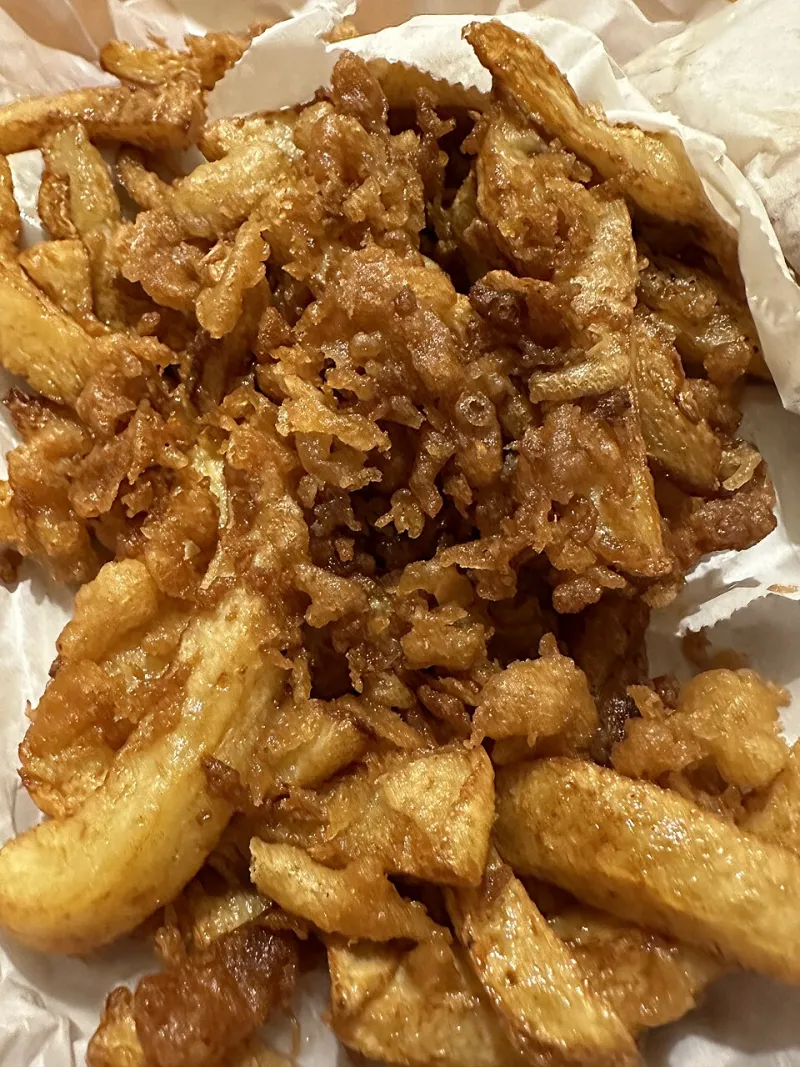
Photo: Secretlondon, CC BY-SA 4.0, via Wikimedia Commons
There is a particular smell that used to hang around a proper chip shop: not just hot oil, but something rounder, beefier, faintly sweet. That was dripping, and it is the reason a certain generation can still taste a Friday-night chip with their eyes closed. Somewhere between the fat-is-bad messaging of the 1980s and the arrival of cheap vegetable oil, the dripping tub disappeared from the shelf and a whole by-product of beef butchery quietly dropped out of the national diet. We would like to make the case for asking for it again.
What dripping actually is
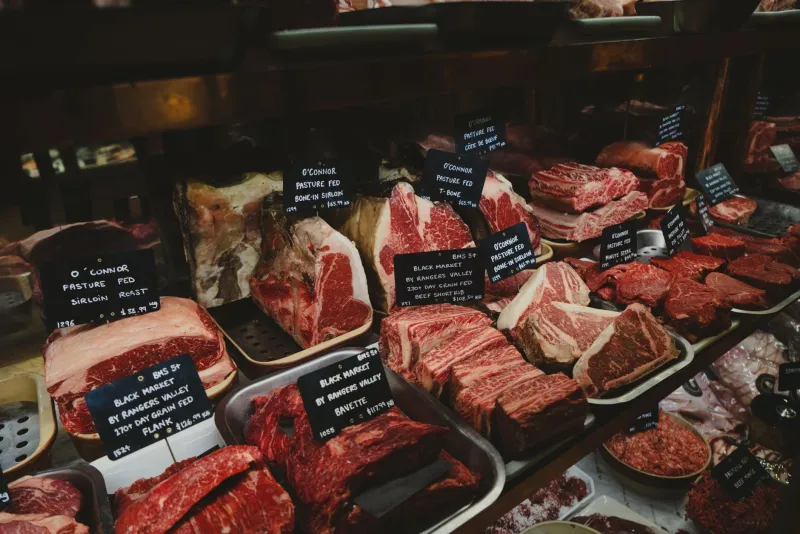
Dripping is rendered beef fat, traditionally the fat from around the kidneys along with the suet that clings to the inside of the animal. When a butcher breaks down a side of beef, that fat has to go somewhere. In a good shop it is rendered slowly, strained and set in trays or jars. It is not quite the same as tallow, though the words get swapped about freely: tallow is the more thoroughly purified version, clean and white and almost odourless, while dripping keeps a little of the meaty character that makes it worth having. That character is the whole point.
How it fell out of favour
Two things happened. Saturated fat became public enemy number one, and dripping was caught in the crossfire along with butter, lard and the Sunday roast. At the same time, chip shops found vegetable oil cheaper, longer-lasting and easier to order in bulk. Fair enough on the economics, but something was lost. A chip fried in beef dripping has a savoury depth that no neutral oil can imitate, and a crust that holds for longer. The renewed interest in traditional fats over the past decade has brought dripping back to some counters, and we are glad of it.
Asking at the counter
The word to use is dripping. If the shop looks blank, ask for beef kidney fat or suet. Plenty of butchers keep it back precisely because nobody asks, and some will render it for you while others will sell you the raw fat to take home. Expect it to be cheap — it is a by-product, and you should be paying accordingly. Ask where the animal came from and how it was broken down. If the answer is a farm name and a nod towards the block out the back, you are in the right place. If the answer is a wholesaler and a shrug, buy a small amount and taste it before committing.
Rendering it at home
Chop raw beef fat small and put it in a heavy pan with a splash of water — roughly 100ml to a kilo of fat. The water stops the fat scorching before it begins to melt, and it boils off along the way. Keep the heat low. You want a gentle simmer rather than a fry, for forty-five minutes to an hour, until the solid pieces have shrunk to golden scraps and the liquid runs clear. Stir occasionally. Strain through a sieve lined with muslin into a jug, let it settle, then pour into jars, leaving any watery layer behind at the bottom. A light pinch of salt stirred through helps it keep. The leftover scraps are effectively crackling, and they are excellent on toast with a bit of mustard.
Storing it
Sealed jars keep in the fridge for around three months and considerably longer in the freezer. Write the date on the lid. If it turns sharp-smelling or develops grey patches, bin it without sentiment. Always use a clean spoon. Home-rendered dripping is not a sterile product, so treat it like the fresh food it is.
Chips and roast potatoes
For chips, cut Maris Pipers into thick fingers, rinse the starch off and dry them properly. First fry at 140C for about six minutes until soft but pale, then lift out and rest. Second fry at 180C until crisp and golden, and salt the moment they come out. Dripping gives you a crust that stays crisp longer than oil does, and a flavour that needs nothing beyond vinegar.
Roast potatoes follow the same logic. Parboil, drain, shake in the pan until the edges rough up, then roast in a generous spoonful of dripping at 190C, turning once. The roughed edges are where the crunch lives, and the fat carries the salt into them.
The provenance question
A generic tub labelled beef fat may be blended from several sources, deodorised and processed until it is essentially a commodity with a fat content. Dripping from a butcher you know is traceable to a farm, comes from animals broken down on site and tastes of something. That is the difference worth paying a little attention to — not nostalgia, just knowing what is in the jar.
One last note. The fat left in the roasting tin after a Sunday joint is not the same thing. It carries meat juices, salt and whatever else went into the pan, and it will keep about a week in the fridge. Strain it, use it for potatoes and enjoy it while it lasts. Proper dripping is the longer game.