Rashers, Rings and a Little Kidney: The Christmas Breakfast Order

Photo: Brian Burger from Victoria, Canada, CC BY 2.0, via Wikimedia Commons
There is a particular kind of quiet in a kitchen on Christmas morning. The bird is resting in its tin, the vegetables are prepped, and someone is already asking whether it is too early for a glass of something. In the middle of all that, breakfast happens almost by accident. A slice of toast, a handful of chocolates, a cup of tea drunk standing up.
It deserves better than that. Not because Christmas needs more cooking, but because a proper breakfast is the one meal of the day with no performance attached. Nobody is carving, nobody is timing, nobody is hoping the gravy comes together. It is just the people in the house, a hot pan, and something worth sitting down for.
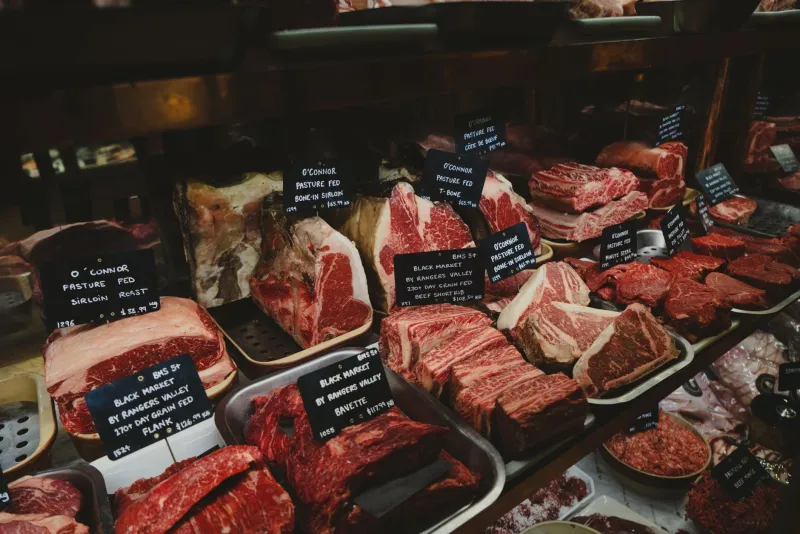
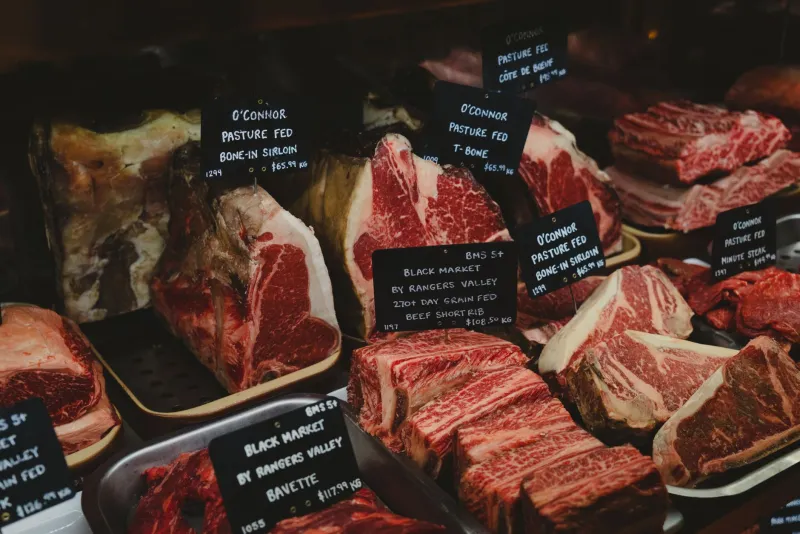
And like most good meals, it starts at the counter.
Why the first meal gets lost
By the time 24 December arrives, most of us have spent weeks thinking about the main event. The joint has been ordered, the sprouts have been argued over, the freezer has been audited. Breakfast, meanwhile, tends to be an afterthought — something picked up in the same shop as the milk.
That is a shame, because Christmas breakfast is the easiest meal of the festive season to get right. It needs very little technique, it can be almost entirely made ahead, and the ingredients are exactly the sort of thing a butcher does well. It also gives the day a gentler start than a plate of chocolates at nine in the morning.
Start with the bacon
If you only upgrade one thing, make it the bacon. Dry-cured back bacon is the place to begin — it has lost less water in the cure, so it behaves itself in the pan. It does not flood the kitchen with white foam, it crisps rather than stews, and it tastes of pork rather than salt alone.
Ask for it cut a little thicker than the supermarket standard. Something around three to four millimetres is a good breakfast rasher: enough to bite through, thin enough to crisp at the edges. Smoked or unsmoked is entirely a house preference, and a decent butcher will usually have both.
As a rough guide, allow two to three rashers per person, plus a couple extra for the ones who come back for a sandwich at eleven. Order it for collection on Christmas Eve and keep it in the coldest part of the fridge, well wrapped, until the morning.
Sausages that earn their place
A Christmas breakfast sausage should be coarse, well seasoned and big enough to matter. Cumberland is the obvious choice, but any good pork sausage with a decent meat content will do the job. Avoid the cocktail-size chipolatas here — they are for the main event, not the frying pan.
Two per person is usually about right, three if the household is enthusiastic. If anyone at the table needs gluten-free, say so when you order rather than on the day; a good counter will have an option and will want the notice.
It is also worth asking what is in the seasoning. Some sausages are heavy on sage, some lean towards pepper, and a few are so heavily seasoned that they fight with everything else on the plate. A quick word at the counter tells you which is which.
Black pudding, and the kidney question
Black pudding is the quiet hero of a Christmas breakfast. Ask for it sliced about a centimetre thick — thick enough to hold together in the pan, thin enough to warm through without drying at the edges. A good one will be coarse, dark and peppery, and it will crisp beautifully in the fat left by the bacon.
Then there is kidney. Lamb's kidney, halved, cored and fried hard and fast, is a traditional part of a British breakfast and one that divides households neatly down the middle. If you are in the yes camp, ask for two or three kidneys and get the butcher to core them for you. They take two or three minutes in a hot pan and they are best eaten straight away, which makes them a slightly awkward addition if you are cooking for a crowd. Fry them last, when everything else is resting.
If you are in the no camp, nobody needs convincing. The breakfast works perfectly well without them.
The rest of the plate
Not everything on a Christmas breakfast plate comes from the butcher, and that is fine. Eggs, mushrooms, tomatoes and a good loaf of bread all have their part to play. A sourdough or a decent white tin loaf, thickly sliced and toasted, does more for the plate than anything complicated.
If you are feeding a mixed table, keep the components separate rather than building plates in the kitchen. It takes less time, it keeps everything warm, and it means the person who does not want black pudding is not quietly scraping it off.
Timings for a small kitchen
Christmas morning is not the moment for a complicated production. The most useful trick is the oven on low — around 100°C — with a tray inside to hold the cooked items while the rest catches up.
Sausages take the longest: roughly twenty to twenty-five minutes in a 190°C oven, or a little longer in a pan if you prefer. Bacon takes five to eight minutes depending on thickness. Black pudding is quick — two minutes a side in a hot pan. Eggs go last, cooked to order, because a fried egg that has been waiting is a sad thing.
If you want to make life easier, cook the sausages on Christmas Eve and reheat them gently in the oven on the morning. They will not be quite as good as freshly cooked, but they will be close, and it frees up the hob.
Ordering without the scrum
Christmas Eve at the counter is busy. If you want a specific cut, thickness or quantity, order by the middle of December and collect on the 23rd or 24th. A breakfast order is small enough that it usually fits around the main event, but the earlier you ask, the more choice you will have.
If you are collecting early, remember that dry-cured bacon and fresh sausages will keep happily for a few days in the fridge. Black pudding freezes well, so there is no harm in buying it ahead and slicing it from frozen on the day.
And if you find yourself at the counter on Christmas Eve with a list that has grown a little, that is fine too. It is the quietest conversation of the festive season, and one of the nicest. A pound of bacon, half a dozen sausages, a slice of pudding, and a quick word about kidneys. Then home, and a proper breakfast to start the day the way it deserves.