The Bone Box Dividend: Why the Best Christmas Gravy Starts at the Counter
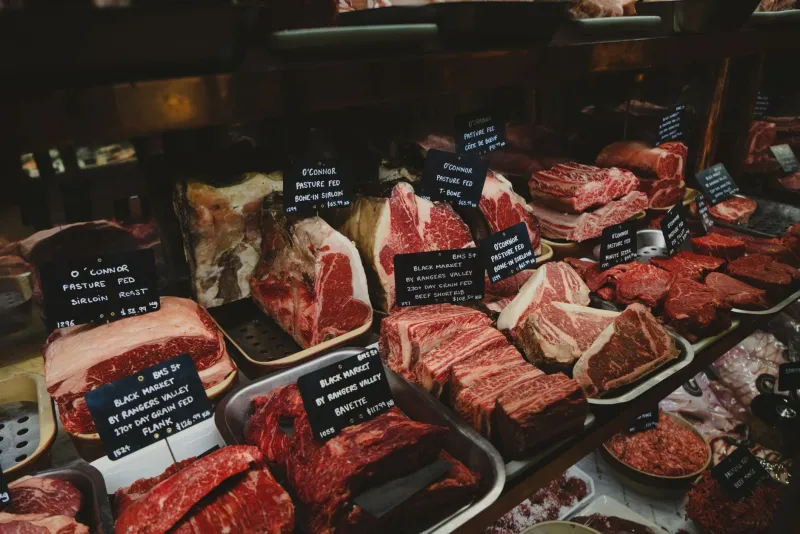
Christmas cooking has a hierarchy problem. The centrepiece gets the shopping list, the fridge space and the applause. The gravy gets a last-minute whisk and a spoonful of granules. But the best gravy on the table rarely comes from a jar. It comes from bones, wings and trimmings — the bits that many shoppers walk straight past at the counter.
At John Stewart Butchers, November is when the bone box starts to fill. It is also the month when a little forward planning turns a bag of scraps into something that tastes like it took all day, because it did.
Start with the scrap end of the counter
Ask for ‘gravy bones’ and you will usually get a blank look followed by a useful conversation. Be specific. For beef, ask for marrow bones, rib bones or shin bones, chopped to fit your biggest pan. For chicken, ask for backs, necks, wings or carcasses — uncooked if possible, because raw bones give a cleaner stock. If you are buying a turkey, ask for the giblets and neck; they belong in the gravy, not the bin.
Pork trimmings can add body, but they can also take over. A small bag of belly offcuts or pork bones is plenty alongside beef or chicken. Ask the butcher to keep them separate so you can decide how much to use.
Ordering ahead helps. November is a busy month behind the counter, and bones are not always sitting in the display. A week’s notice is polite; a few days is usually enough. If you are already buying your Christmas meat, mention the bones then. It gives the shop a reason to put them aside for you.
What should be free or cheap?
This varies from shop to shop, so ask rather than assume. Chicken backs and carcasses are often free or a nominal charge when you are buying a bird. Beef bones are usually sold cheaply by weight — think a few pounds a kilo rather than a premium price. Pork trimmings may be free or low-cost. What you should not expect is a bag of prime rib bones for nothing. Bones have value, and a good butcher would rather sell them cheaply than bin them.
The real value is in the ratio. A couple of kilos of bones and a handful of vegetables can make enough gravy base for Christmas dinner and a few freezer portions besides. Compare that with the price of a good ready-made stock and the sums work out quickly.
Roast first, simmer second
Bones need colour. Spread them in a roasting tin, drizzle lightly with oil and roast at 200C/180C fan/gas 6 until well browned. Add quartered onions, carrots and celery for the last 20 minutes, plus a spoonful of tomato purée if you want depth. Do not let the vegetables char black — dark brown is flavour, black is bitterness.
Tip everything into a large pot. Deglaze the roasting tin with a splash of water or red wine, scraping up the stuck bits, and add that to the pot. Cover with cold water, bring to just under a boil, then turn down to a gentle simmer. Skim the foam that rises at the start. Add bay leaves, thyme and peppercorns, and let it blip away for three to four hours for beef. If you are using chicken, add it for the last hour and a half so it does not overpower the pot.
Strain through a fine sieve, discard the solids, and cool the liquid quickly. Once cold, lift off the fat that sets on top. You now have a gravy base: concentrated, savoury and ready to finish on the day with the roasting juices from your bird or joint.
A November timeline for Christmas 2026
This week: order your bones and clear a shelf in the freezer. Check you have enough freezer bags or small containers.
The weekend of 21–22 November: make the beef base. Roast, simmer, strain and freeze flat in bags labelled with the date. A flat bag defrosts faster and stacks neatly.
The weekend of 28–29 November: make a chicken base if you want a lighter gravy, or a mixed batch if you prefer one all-purpose base. Freeze in portion sizes that match your table — a large bag for Christmas Day, smaller bags for leftovers.
First week of December: check your stock. You should have enough base for Christmas dinner plus a little extra for Boxing Day pies or hot sandwiches.
Christmas week: move the base to the fridge to defrost overnight. On the day, reheat it with the roasting juices, a splash of port or redcurrant jelly, and seasoning to taste.
A simple Christmas gravy base
Makes about 1.5 litres of concentrated base.
- 1.5kg mixed beef bones, chopped
- 500g chicken wings, backs or carcass pieces
- 2 onions, quartered
- 2 carrots, roughly chopped
- 2 celery sticks, roughly chopped
- 2 tbsp tomato purée
- 1 tbsp cider vinegar or red wine (optional)
- 2 bay leaves
- A few thyme sprigs
- 10 black peppercorns
- Cold water to cover
Heat the oven to 200C/180C fan/gas 6. Spread the bones in a roasting tin and roast for 30 minutes. Add the vegetables and tomato purée, turn everything over, and roast for another 20–25 minutes until deeply browned.
Tip the bones and vegetables into a large pot. Deglaze the roasting tin with a splash of water or wine, scraping the base, and pour that into the pot. Cover with cold water and bring to a gentle simmer. Skim the surface, then add the bay, thyme and peppercorns. Simmer gently for 3 hours, adding the chicken for the last 1½ hours. Strain through a fine sieve, cool quickly, then chill and skim off the fat. Season lightly before freezing.
Food-safety notes
Cool the base quickly: divide it into shallow containers, leave it uncovered until the steam has died down, then refrigerate within two hours. Keep it in the fridge for up to three days, or freeze it for up to three months for best quality. Defrost in the fridge overnight, reheat until piping hot, and do not refreeze once reheated. Label everything with the date, and keep raw bones away from cooked meat and ready-to-eat food while you work.
On the day, finish the base with the juices from your roasting tin. Those juices carry the seasoning, the fat and the flavour of the centrepiece. The bones did the quiet work weeks ago. That is the bone box dividend: better gravy, less panic, and a bargain hiding in plain sight at the counter.