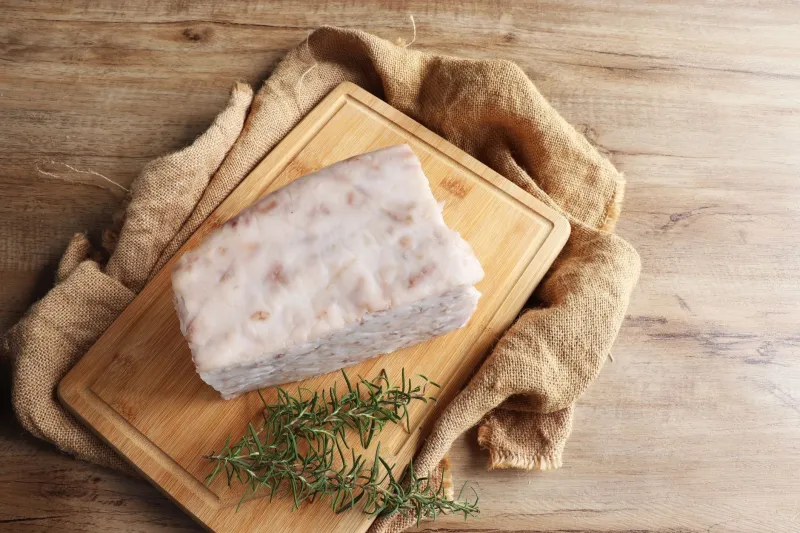
Gammon With Your Eyes Open: A Festive Ham Buying Guide
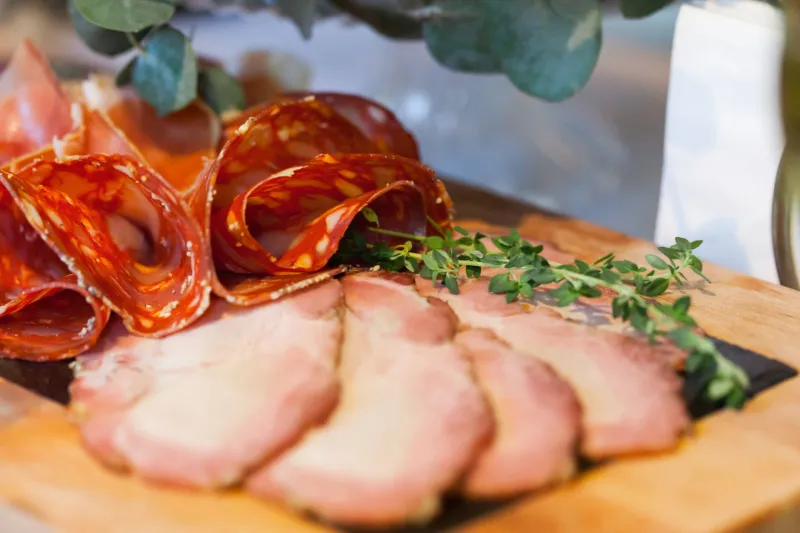
A Christmas ham has a way of sounding more complicated than it is. Recipes talk about brining, boiling, scoring, studding and glazing as if you need a weekend and a spare pair of hands. Really, the job starts at the butcher’s counter. Get the right joint, understand what you’ve bought, and the rest is mostly gentle cooking and a bit of common sense.
First, gammon or ham?
This is the bit that trips people up. Gammon is cured pork that still needs cooking. Ham is the same thing after it has been cooked, usually served cold. So when you order a Christmas ham from the butcher, you’re often buying a gammon joint and cooking it yourself at home.
That matters because the cure is where the flavour and the salt level come from. Some gammons are mild and sweet; others are fuller-flavoured and saltier. Neither is wrong. They just need different handling. If you’re unsure, ask. A good butcher will know how long the joint has been cured and whether it wants a long soak or just a short one.
Bone-in or boneless?
Bone-in gammon has more flavour and gives you a natural shape for carving. It also takes a little longer to cook and can be trickier to slice neatly around the bone. Boneless joints are easier to carve and fit more comfortably in a crowded fridge, but they can be denser and sometimes a touch saltier because there’s less bone and more meat per kilo.
For a festive table, bone-in is the traditional choice and worth it if you have the oven space. For a smaller household, or if you want tidy slices for sandwiches, boneless is perfectly sensible. Either way, choose a joint that looks plump rather than pale and watery, with a good layer of fat on top. That fat is not a nuisance — it bastes the meat as it cooks and gives you something to score and glaze.
The soaking question
Soaking is not a ritual you perform just because a recipe says so. It’s a way of pulling out excess salt from a heavily cured joint. If your gammon is mild-cured, a long soak may make it taste washed-out. If it’s a traditional dry-cured joint, a night in cold water can make the finished ham much more balanced.
The practical approach is to ask your butcher how salty the cure is, then taste a sliver once the joint is cooked — or trust their guidance. As a rule, a full overnight soak is sensible for a robust, old-fashioned cure. For a milder joint, a couple of hours in fresh water is often enough. Change the water once if you’re soaking overnight.
Boil gently, not fiercely
A large gammon does not want a rolling boil. That toughens the outside before the middle is ready. Put the joint in a large pot, cover it with cold water, bring it slowly to a gentle simmer and let it bubble quietly. Skim off any foam that rises at the start. How long it takes depends on the size and bone, so judge by the meat rather than the clock.
When the joint is cooked through, lift it out and let it cool a little before handling. If you’re serving it hot, you can glaze and finish it in the oven. If you’re serving it cold on Boxing Day, let it cool completely in the cooking liquid — that keeps it moist — then wrap it well and refrigerate.
Score, stud and glaze with restraint
Scoring the fat is not just decoration. It helps the glaze catch and gives the fat a chance to render. Use a sharp knife to cut a diamond pattern, going only as deep as the fat, not into the meat. Cloves are optional. A few pushed into the scoring look festive, but too many can overwhelm the pork.
A good glaze balances sweetness with something sharp. Marmalade and mustard, honey and vinegar, or brown sugar and cider all work well. Brush it on late — in the last twenty minutes or so of oven time — so the sugars don’t burn. If the glaze starts catching, cover the joint loosely with foil and lower the heat.
Leftovers that earn their place
The best Christmas ham is the one that keeps giving. Cold slices with pickles and bread are the obvious win, but don’t stop there. Chop the trimmings into a pea and ham soup, fold shreds through a creamy pasta, or add cubes to a Boxing Day bubble and squeak. The bone, if you have one, is worth simmering for stock — it will make a pot of lentils or split peas taste far better than any stock cube.
And if you’re ordering for Christmas 2026, have the conversation early. Tell your butcher how many people you’re feeding, whether you want bone-in or boneless, and how you plan to serve it. That’s the real handshake: a joint that suits your table, not just a recipe you found online.