Feathers, Fur and Flavour: A November Primer on British Game
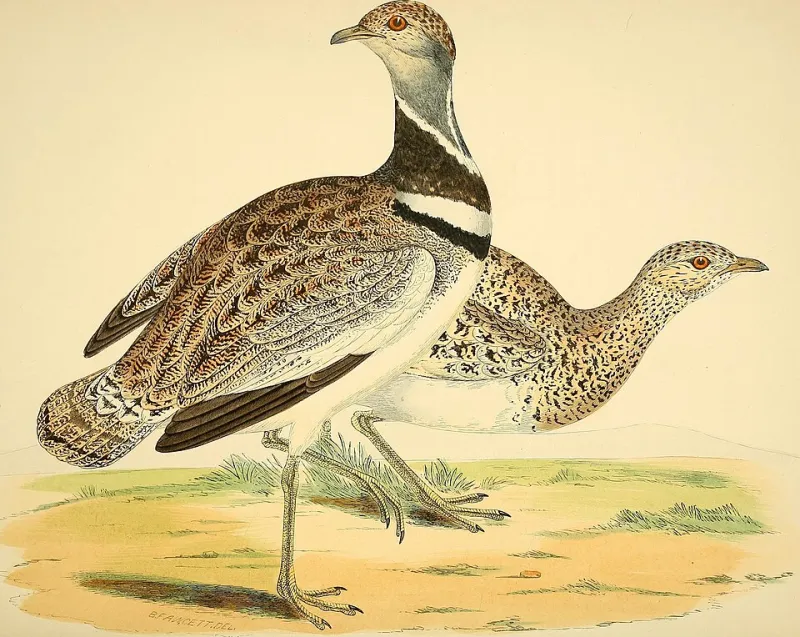
Photo: Internet Archive Book Images, No restrictions, via Wikimedia Commons
Game has a reputation problem. It is often filed under special occasion, or country pursuit, or something you order in a restaurant but never cook at home. That is a shame, because November is exactly when British game is at its most abundant, and it is some of the most local, sustainable meat you can put on the table.
The trick is to treat it less like a project and more like dinner. Ask a few useful questions at the counter, choose a cut that suits your appetite and your oven, and cook it with a little confidence. Game is lean, flavoursome and forgiving enough once you know the basics.
What British game looks like in November
Pheasant is the mainstay. It has a mild, slightly nutty flavour and a decent amount of meat on the bone. Partridge is smaller and sweeter, with a quicker cooking time. Venison ranges from small steaks and loin cuts to larger haunches and stewing pieces, and it is lean enough that it benefits from gentle cooking or a little added fat.
You may also see wood pigeon, hare and rabbit, but pheasant, partridge and venison are the three that make the easiest entry points. All are in season now, and all can be cooked simply at home.
Pheasant: the forgiving roast
A whole pheasant can dry out if you roast it hard and fast. The simple fix is to cover the breast with streaky bacon or a buttered paper, roast it at 190C fan for about 35 to 45 minutes, and rest it well. The legs are tougher than the breast, so many cooks remove them and braise them separately. That is not fussy; it is just practical.
If you want a one-pan supper, brown the pheasant in a casserole, add lardons, shallots, thyme and a splash of cider, then cover and cook gently until tender. The sauce becomes glossy and rich, and the meat stays moist. Serve with mash or a pile of buttered greens.
Partridge: small bird, quick supper
Partridge is ideal for a quick roast. Split it down the back, flatten it slightly, season well and roast at 200C fan for around 20 to 25 minutes. It is excellent with grapes, juniper or a little red wine vinegar in the pan. One bird per person is about right for a generous supper, especially with potatoes and vegetables alongside.
Because partridge is small, it also works well in a pie or a warm salad. Shred any leftover meat and fold it through a mustardy dressing with bitter leaves and roasted beetroot. That is the sort of cooking that makes game feel ordinary in the best way.
Venison: lean, rich and best treated with care
Venison has a deep flavour and very little fat, so it can become dry if you treat it like beef. For steaks and loin, cook quickly and rest well. For shoulder, neck or haunch, slow cooking is your friend. A venison shoulder braised with red wine, juniper, bay and root vegetables is a proper November dish, and it fills the house with a wonderful smell.
If you are new to venison, ask your butcher for a cut that suits your plan. A small haunch is good for roasting if you lard it or wrap it in bacon. Stewing pieces are forgiving in a pie or casserole. Mince makes an excellent ragu or burger, especially with a little pork fat added.
How to judge freshness and what to ask
Game is not like supermarket chicken. Some birds are hung for a few days to develop flavour, and the smell can be stronger than you expect. That is not necessarily a bad sign, but it should not smell sour or off. The skin should look clean and the flesh should feel firm. Ask your butcher how long it has been hung and whether it is young or older. Younger birds are generally better for roasting; older ones are better for braising or pies.
Good questions at the counter include: Where was this shot or sourced? Has it been hung, and for how long? Is it a young bird? Can you joint it for me? And for venison: Is this wild or farmed, and which cut would you choose for a slow braise?
A pie worth the effort
If you want a weekend project, game pie is hard to beat. Use a mixture of pheasant and venison, or partridge and pork, with onions, mushrooms, thyme and a little bacon. Brown everything well, add stock and a splash of red wine, then simmer gently until tender. Cool the filling, put it in a pie dish with shortcrust pastry, and bake until golden. It is a proper British dish, and it freezes well.
The local argument
Game is not factory food. It comes from the countryside, often from small estates and shoots, and it is a genuinely seasonal pleasure. That does not mean it has to be expensive or exclusive. A partridge supper can cost less than a decent steak, and a pheasant casserole will feed four without much effort.
This November, come and ask us what is on the game shelf. We will tell you what is fresh, what is young and what to do with it. You do not need a country kitchen or a special occasion. You just need a little butter, a hot oven and the willingness to try something local.