A Quiet Word About Offal: Buying the Cuts Most of Us Walk Past
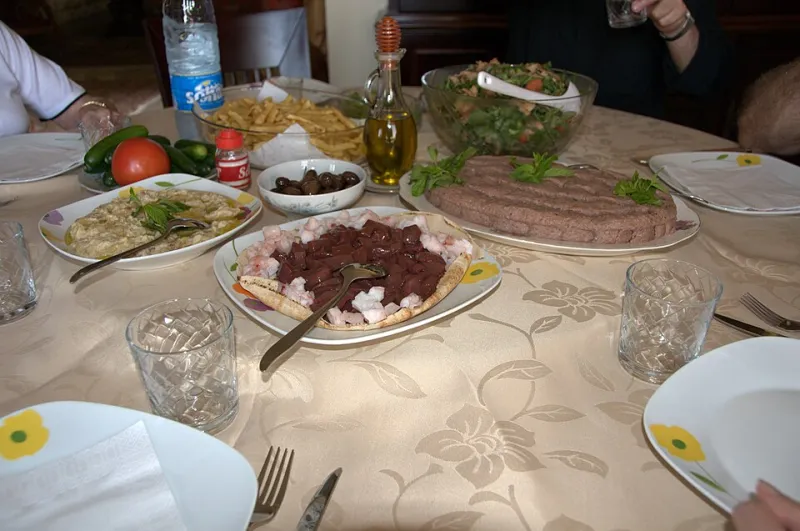
Photo: Serge Melki from Indianapolis, USA, CC BY 2.0, via Wikimedia Commons
Offal has a reputation problem. It arrives at the counter carrying decades of school-dinner stories, thrifty cookery books and a faint sense that you need to know what you’re doing before you’re allowed to start. That’s a shame, because liver, kidneys, heart and sweetbreads are some of the most useful things a butcher sells — especially as the weather turns and the oven goes on.
There is no need to buy the whole fifth quarter on day one. The sensible route in is smaller than most guides suggest: choose one cut, buy a modest amount, ask for it prepared the way you need it, and cook it once. Then decide whether you liked it. That’s not timidity. It’s how most of us learn to cook anything.
At the counter, freshness is the whole argument
Offal is not a long-keeping ingredient, and it doesn’t hide its age. That’s actually helpful. Liver should look glossy and evenly coloured, with a clean, mild smell rather than a sharp or sour one. Kidneys should be firm and neat, not slimy or pooling liquid. Heart should be dark, tight-grained and well trimmed. Sweetbreads are the fussiest of the group: they should look plump and pale, not dry at the edges.
Ask when the offal came in and how it has been handled. A good butcher will tell you plainly. At our counter we would rather sell you two lamb’s kidneys than a kilo you take home, lose your nerve with and bin on Thursday. Ask for the membrane removed from liver if you’re unsure, ask for kidneys to be split and cored, and ask for heart to be trimmed of its connective tissue. None of that is a nuisance. It is part of the job.
Liver: the gateway cut
Liver is the obvious first step because it is quick, widely available and easy to recognise on the plate. Calf’s liver is the mildest and most expensive; lamb’s liver is fuller in flavour and very good value; pig’s liver is stronger and better suited to pâté or a coarse terrine than a quick fry.
For a first attempt, buy lamb’s liver in slices about a finger’s width thick. Pat it dry, season it, and cook it hot and fast in a wide pan. Overcrowding is the usual mistake — it steams rather than browns and turns chalky. If the flavour is stronger than you like, a short soak in milk can soften it, but it won’t perform miracles. Serve it with slow-cooked onions, mash and something sharp, such as mustard or a squeeze of lemon. That is winter cooking with a very small learning curve.
Kidneys: split, cored, cooked quickly
Lamb’s kidneys are the friendly end of the family. Ask for them split and cored if you haven’t done it before; the white core is easy enough to cut away with a small knife, but it’s one less thing to worry about on a first go. Pat them dry, sear them hard in butter or a little oil, and keep them moving. They should be just set, still tender, not cooked to rubber.
Devilled kidneys on toast is the classic for a reason: mustard, a splash of Worcestershire sauce, a little stock or cream, and a pile of parsley. Beef kidney is a different beast — larger, stronger and better in a long-cooked steak and kidney pudding or pie, where time does the work. Don’t judge all kidneys by one disappointing plate.
Heart: the slow, steady one
Heart is lean, dense and quietly beefy. Beef heart needs a long braise or a slow pot; lamb’s heart is smaller and quicker, but still benefits from gentle cooking. Trim away the tubes and any hard connective tissue, cut it into manageable pieces, and brown it well before adding stock, root vegetables and herbs. A winter braise is the most forgiving introduction: the meat becomes tender, the sauce takes on depth, and nothing is asked of you at the last minute.
If you see heart sold whole and stuffed, that’s a perfectly good tradition, but it is not the only way. Cubed and braised is simpler, and it freezes well in portions.
Sweetbreads: the treat, not the induction
Sweetbreads are the ones that make people nervous. They are rich, delicate and expensive enough that a mistake feels personal. Lamb sweetbreads are the usual choice; they need soaking, a brief blanch, and the removal of any membrane before cooking. Some butchers will do the trimming for you — ask. After that, press them lightly, brown them in butter, and finish with lemon and parsley. They are lovely, but they are not the place to start if you are already unsure about offal. Try them once you have a quick win behind you.
The money question
Cheap meat is only cheap if you eat it. A £4 experiment that goes in the bin is worse value than a £12 cut you cook well and repeat. Buy small, ask for preparation, and freeze what you don’t use in portions. Offal also rewards a little planning: a tub of cooked braised heart in the freezer is a faster dinner than a takeaway, and a couple of lamb’s kidneys cost very little.
A sensible first order
If you want a starting point, keep it to this: two lamb’s kidneys, split and cored; a small slice of lamb’s liver; and one lamb’s heart, trimmed. Cook the kidneys first, on toast. If that goes well, try the liver. Save the heart for a slow afternoon. Sweetbreads can wait until you fancy a treat.
No one is born knowing how to core a kidney or judge a sweetbread. You learn it at the counter, with a butcher who is willing to explain and a pan that is hot enough. That is a very good place to begin.