Slow-Grown and Deep-Flavoured: Making Room for British Mutton
Mutton has a way of sounding like a history lesson. It turns up in old cookbooks, on heritage menus and in conversations about how meat used to taste, and then it quietly disappears from the weekly shop. That is a shame, because the best mutton is not a museum piece. It is a proper winter ingredient with a character all its own, and it is worth knowing how to buy and cook it.
At the counter, mutton often gets treated as lamb with a few more birthdays behind it. That is roughly true, but it misses the point. The extra time on grass changes the meat. The flavour is deeper, the fat is richer and the texture asks for a slower, kinder approach. Cook it like a spring lamb and you may wonder what the fuss is about. Cook it like the older sheep it is and it earns its place at the centre of the table.
Lamb, Hogget and Mutton: The Age Question
In the UK, the usual line is that lamb is the youngest, hogget sits in the middle and mutton comes from older sheep. Exact ages can vary depending on who is selling and how the animal has been reared, so the useful question is not just the label but the story behind it. How old was the animal? What breed was it? Was it grass-fed and slow-grown? How long has it been hung?
Mutton from a well-managed flock tends to have a darker colour, a more generous covering of fat and a savoury depth that you notice before you even get it in the oven. It should not smell strong or sharp. It should smell like good meat: clean, earthy and faintly sweet. If a butcher is selling mutton, they usually have a reason for it. Ask what that reason is.
What to Ask at the Counter
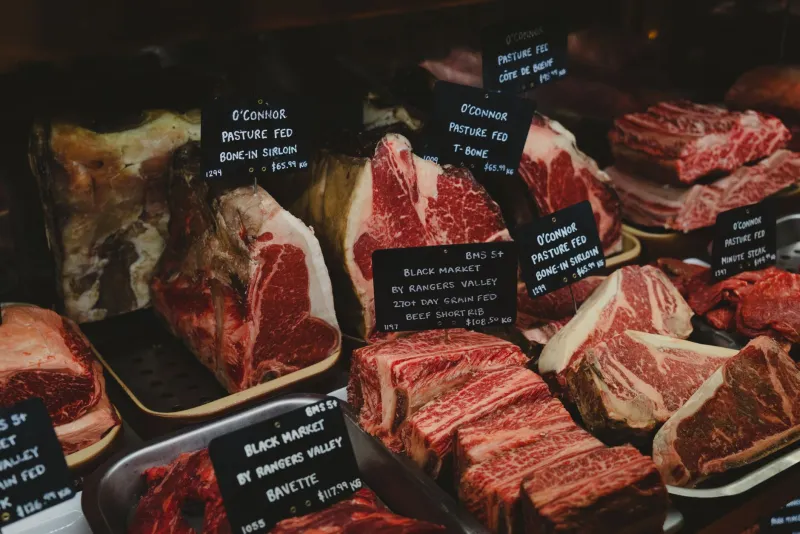
Start with age and breed. A butcher who knows their mutton will be happy to talk about both. Ask how long it has been hung, too. Older sheep benefit from proper hanging, and that time adds tenderness as well as flavour. If the meat has been vacuum-packed and rushed, it will show in the cooking.
Do not be shy about asking for the fat to be left on. Mutton fat is part of the point. It carries flavour, bastes the joint and makes the sort of gravy that does not need much help. If you are buying shoulder or breast, ask for the bones as well. They are excellent for stock, and a butcher will usually be glad to bag them up rather than see them go to waste.
If you are new to mutton, say so. A good counter will steer you towards a shoulder rather than a lean leg, or suggest a neck fillet for a braise. This is exactly the kind of conversation a traditional butcher is for. John Stewart Butchers has always been a place where you can ask the awkward question and get a straight answer.
Cuts That Reward Patience
Shoulder is the easiest introduction. It has enough fat and connective tissue to cope with a long, low cook, and it pulls apart into something rich and spoonable. Leg of mutton can be roasted, but it wants a gentler oven and a bit more attention than lamb. Breast and scrag are braising cuts, full of flavour and very good value. Neck fillet is excellent sliced into stews or cooked slowly with root vegetables.
Mutton chops are worth trying, but treat them with a little care. They are not spring lamb chops, and they do not need to be. A short marinade and a quick turn under the grill can work well, but the real rewards come from the slower cuts. Mutton mince makes a shepherd's pie with a depth that ordinary lamb mince rarely matches. Ask for it coarse rather than finely ground, so it keeps some texture.
A First Mutton Cook: Slow-Roasted Shoulder
A bone-in mutton shoulder is a good place to start. Ask the butcher to score the fat and leave the bone in. Take it out of the fridge an hour before cooking, season it well with salt and black pepper, and put it in a roasting tin on top of a few halved onions, carrots and a couple of garlic cloves. Add a splash of water to the tin, cover tightly with foil and cook at about 150C fan for three and a half to four hours, until the meat gives way under a spoon.
Uncover for the last half hour to let the fat colour. Rest it for at least twenty minutes. The juices in the tin, skimmed of excess fat and loosened with a little stock, make a gravy that needs nothing more than a spoonful of redcurrant jelly if you like that sort of thing. Serve with mash and something sharp, such as braised cabbage or a simple watercress salad. Leftovers are excellent in a pie or folded through a barley broth.
Why It Is Worth the Ask
Mutton is not a niche curiosity for people who want to prove a point. It is a sensible way to buy meat from older, grass-fed sheep that have had a proper life outdoors. It supports farmers who are raising slower-growing breeds, and it gives the home cook a cut with real character. It also happens to be very good value for the amount of flavour it delivers.
The next time you are at the counter, ask whether there is any mutton available. You may need to order it ahead, and that is fine. Good meat often does. Cook it slowly, keep the fat, use the bones and treat it as the main event. Mutton has waited long enough.